Water resilience tourism destination

What the tourism sector can learn from Cape Town’s drought
September 22, 2020 9.46pm WIB
Dr Kaitano Dube
Ecotourism Management Lecturer, Vaal University of TechnologyDr David Chikodzi
Research Fellow, University of South AfricaProf Godwell Nhamo
Full Professor and Exxaro Chair in Business & Climate Change, University of South Africa

Extreme droughts have been on the increase in southern Africa with far-reaching socioeconomic and environmental implications for the region. Assessing and documenting the impact of these extreme droughts has been lagging behind, a situation that has been bemoaned by academics and the Intergovernmental Panel on Climate Change.

To fill some of the gap, our study examined the causes and effects of climate change-induced droughts on the tourism industry in the Western Cape, a regional and continental tourism hub. Tourism is an important economic sector to Cape Town, and South Africa at large. The Western Cape attracted around 1.7 million international tourists in 2018 and generated R16.3 billion (about US$985 million) in foreign spending in 2019.

Our research found that the drought in Cape Town was caused by both natural and human (anthropogenic) drivers of climate change. This was compounded by increasing population and increased water demand in the province and Cape Town, in particular.

How the drought hit the tourism sector


The 2015 to 2018 drought was one of the longest and the worst to have affected Cape Town and the region in recent times. Rainfall declined from an annual average of about 493mm in 1993 to about 149mm per year in 2017. The drought turned into a crisis, given the extent of water scarcity, and received widespread media attention.

The politics around the issue worsened the situation. Given that the Western Cape is run by the country’s opposition party, the Democratic Alliance, there were delays over declaring the water situation in the province a national disaster. This limited the deployment of resources to the city crippling its response to the disaster. Declaring the drought as a disaster would’ve eased procurement processes and provided resources needed to deal with it. There were constant spats about the cause of the disaster, the extent and who was responsible for managing it.

International media coverage and the phrase “Day Zero water crisis” painted a bleak picture of the situation. This image of Cape Town as a city in crisis damaged perceptions of the destination. This resulted in tourists postponing or cancelling travel to what was one of the most popular destinations in the world.

Lush green shot of the Kirstenbosch National Botanical Garden in Cape Town.

Lush green shot of the Kirstenbosch National Botanical Garden in Cape Town.

Kirstenbosch National Botanical Garden in Cape Town. GettyImages


Our study found that there was a decline between 1.3% and 12.6% on month on month tourism arrivals to the province in 2017 and 2018 at the peak of the drought. This resulted in a decline in hotel occupancy and tourist arrivals at the city’s most popular tourism sites such as V&A Waterfront, Table Mountain Cableway, Kirstenbosch Botanical Garden, Cape Point and other destinations.

The decline in arrivals severely undermined revenue generation for most tourism businesses and for the city, national parks and other private nature reserves in the area. Average tourist spend by international tourist declined by 30% between 2017 and 2018. The decline in arrivals on the other hand, in a way saved the situation by reducing water demand as the water consumption for the city declined by 50%.

We found that the impact on tourism businesses was disproportionate, with smaller and lower graded tourism accommodation establishments being worst affected. Four and five-star accommodation establishments weren’t as affected.

This could be attributed to perceived capacity to provide water from alternative sources to ensure a comfortable stay by guests. Our study found that some top hotels had invested in water harvesting technologies which allowed them to operate without reliance on city water supply.

Collaborations
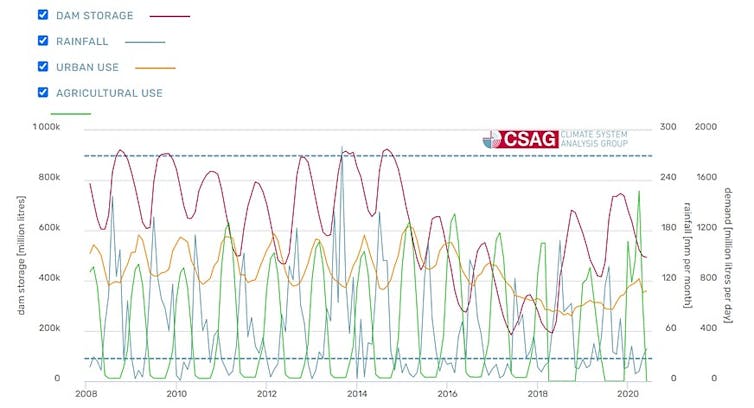
A graph of Cape Town's water supply and demand from 2008 to 2020.

A graph of Cape Town’s water supply and demand from 2008 to 2020.
Cape Town’s water supply and demand from 2008 to 2020. Provided by the author.


The city of Cape Town and tourism industry stakeholders led by WesGRO – the Western Cape’s official tourism, trade and investment promotion agency – provided leadership that ensured the city adopted measures to reduce water use to avoid Day Zero. The public and private partnership proved crucial in ensuring water sustainability.

Universities also played a crucial role in terms of research, innovation and agenda setting. The tourism sector adopted measures, amongst them a well-coordinated campaign to encourage tourists to use less water, retrofitting of bathrooms to ensure water saving, investment into water harvesting technologies and investment in ocean water harvesting technologies.

As seen in the graph, water levels have improved since the cancellation of Day Zero. Cape Town and the Western Cape province must continue championing and ensuring water efficiency, putting in place measures to reduce water demand by every economic sector and build water resilience. Given that the drought is over, for now, there’s a need to use the drought levies that were instituted to put in place infrastructure that augments current water supply to build a water resilient city.

As we found in our study, in the event of future droughts, the use of terms and alarmist messages that may scare away investors and tourists should be avoided. The Day Zero experience is not a once-off event. As long as climate change continues, there are many other day zeros on the way in many cities around the world.

Source: https://theconversation.com/what-the-tourism-sector-can-learn-from-cape-towns-drought-145789?fbclid=IwAR05jRVQ8smXbrVGxqjaoOnvgLL1fv_7yBWxZGL7AYllcTgn_-YOfZ2SCgU

Here are some of the innovative ways people are going on holiday during coronavirus

11 Aug 2020

Harry Kretchmer Senior Writer, Formative Content WEF

  • Domestic tourism is rebounding in Europe as countries ease restrictions.
  • Unique “experience” holidays and “staycations” are reporting buoyant bookings.
  • This is in contrast to the global picture: the OECD forecasts the international tourism economy could decline 60-80% in 2020.
  • World Travel & Tourism Council says 10% of jobs worldwide are in tourism, generating 10.3% of global GDP.

Tents in trees, “watermelon” cabins, going off-grid. These are just some of the unusual ways people are spending their longed-for summer holidays in Europe, with quirky retreats reporting brisk business.

And as the continent’s lockdowns lift, some booking sites have reported record sales, buoyed by surging demand for “staycations” amid continued foreign travel restrictions.

A survey in Ireland found 94% would prefer to holiday at home this year.

It’s some good news for the beleaguered global travel industry – a huge employer whose airlines and millions of staff face an uncertain future. According to OECD forecasts, international tourism could decline by between 60% and 80% in 2020

‘Experience’ holidays

“It’s hanging free in the air, relating to your childhood dreams, building a hut in your tree.”

This is how Dutch artist, Dre Wapenaar, describes his teardrop-shaped tents that hang from trees. They have become a popular alternative holiday destination in Belgium, and can also be found in France, the Netherlands and the United States. He says the tents have been booked up faster than usual this year.

Coronavirus holiday covid leisure aviation flights travel vacation stay camping glamping sleep hotel experience sun beach coast river getaway idea creative interesting china virus health healthcare who world health organization disease deaths pandemic epidemic worries concerns Health virus contagious contagion viruses diseases disease lab laboratory doctor health dr nurse medical medicine drugs vaccines vaccinations inoculations technology testing test medicinal biotechnology biotech biology chemistry physics microscope research influenza flu cold common cold bug risk symptomes respiratory china iran italy europe asia america south america north washing hands wash hands coughs sneezes spread spreading precaution precautions health warning covid 19 cov SARS 2019ncov wuhan sarscow wuhanpneumonia  pneumonia outbreak patients unhealthy fatality mortality elderly old elder age serious death deathly deadly Watermelon-shaped cabins are proving a popular retreat in rural Spain.Image: Reuters/Jon Nazca

Similarly eccentric and beguiling are the watermelon-shaped cabins at “Villa Sandia” in southern Spain. Made out of pottery and shaped like vegetables and fruits, they’ve also seen an upswing in bookings, according to the campsite owner.

Coronavirus holiday covid leisure aviation flights travel vacation stay camping glamping sleep hotel experience sun beach coast river getaway idea creative interesting china virus health healthcare who world health organization disease deaths pandemic epidemic worries concerns Health virus contagious contagion viruses diseases disease lab laboratory doctor health dr nurse medical medicine drugs vaccines vaccinations inoculations technology testing test medicinal biotechnology biotech biology chemistry physics microscope research influenza flu cold common cold bug risk symptomes respiratory china iran italy europe asia america south america north washing hands wash hands coughs sneezes spread spreading precaution precautions health warning covid 19 cov SARS 2019ncov wuhan sarscow wuhanpneumonia  pneumonia outbreak patients unhealthy fatality mortality elderly old elder age serious death deathly deadly

Many people expect to travel abroad less after COVID-19, favouring ‘staycations’ instead.

Image: Statista

Rural retreats

The popularity of remote rural getaways appears to be reflected elsewhere on the continent.

In the UK, alternative getaway sites like Host Unusual – which offers “unique and unusual places to stay” – have benefited from the appetite for seclusion.

“People are looking at holidays that involve less travel overall, not necessarily just avoiding airports and ports,” Host Unusual director Alex Wilson tells Bristol Live.

“The desire to go somewhere safe and switch off from the panic of current affairs has seen a marked rise in off-grid places.”

Bright spots

These stories of growth in tourism are welcome developments for a sector that the World Travel & Tourism Council estimates accounts for around 10% of all jobs worldwide and generates more than 10% of global GDP.

And while Europe’s airlines are expected to make huge losses this year, with painful consequences for jobs, skies are also clearer – and cleaner.

However, it remains to be seen whether these trends will continue when (or if) the pandemic is finally defeated.

Pre-coronavirus, the aviation industry was responsible for about 2% of global carbon emissions, and the sector is more than a decade into a strategy to play its part in reducing climate change, according to industry body the IATA.

As the world looks towards a Great Reset after the crisis, experts say there is a fresh opportunity for governments and industry to cooperate on projects to create the systems and tools we need to fight climate change and build sustainable growth.

Source: https://www.weforum.org/agenda/2020/08/coronavirus-holidays-europe-travel/

License and Republishing

World Economic Forum articles may be republished in accordance with the Creative Commons Attribution-NonCommercial-NoDerivatives 4.0 International Public License, and in accordance with our Terms of Use.

Written by

Harry Kretchmer, Senior Writer, Formative Content WEF

The views expressed in this article are those of the author alone and not the World Economic Forum.

Love outdoor adventure?

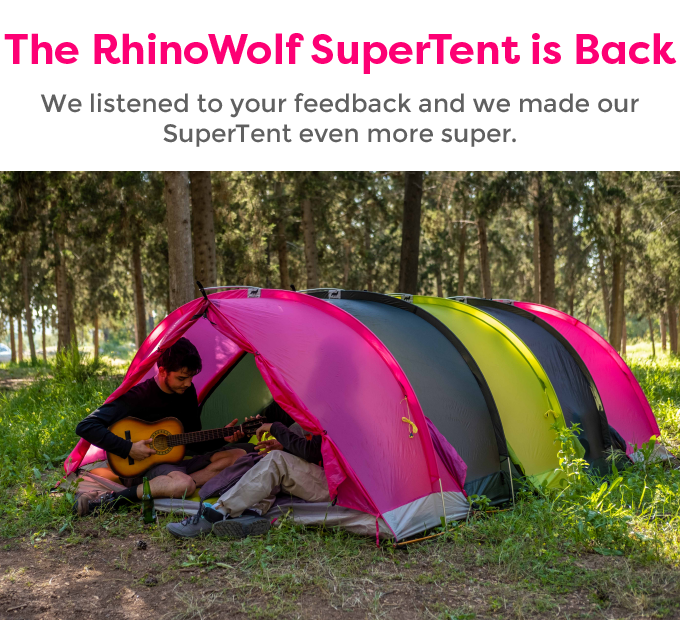
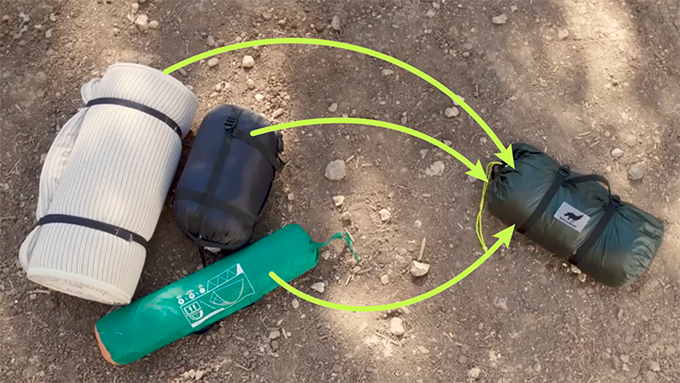
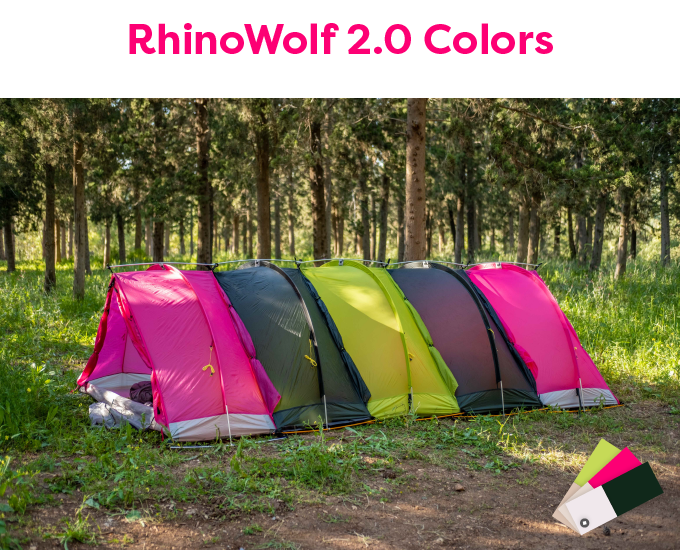
RhinoWolf 2.0: The all-in-one Attachable SuperTentForget tents. RhinoWolf has a built-in mattress and sleeping bag and connects to other RhinoWolfs. Must have this one!

We’re still using the highest quality materials, but we’ve added a few more features to make you the happiest camper ever. Oh, and we’ve managed to make it even. more. affordable.

 We didn’t just create a tent. We created an outdoor sleeping system that combines the best and most durable elements of our camping gear into one high-quality, heavy-duty, lightweight (6.2 lbs / 2.8 kg) superpack. 

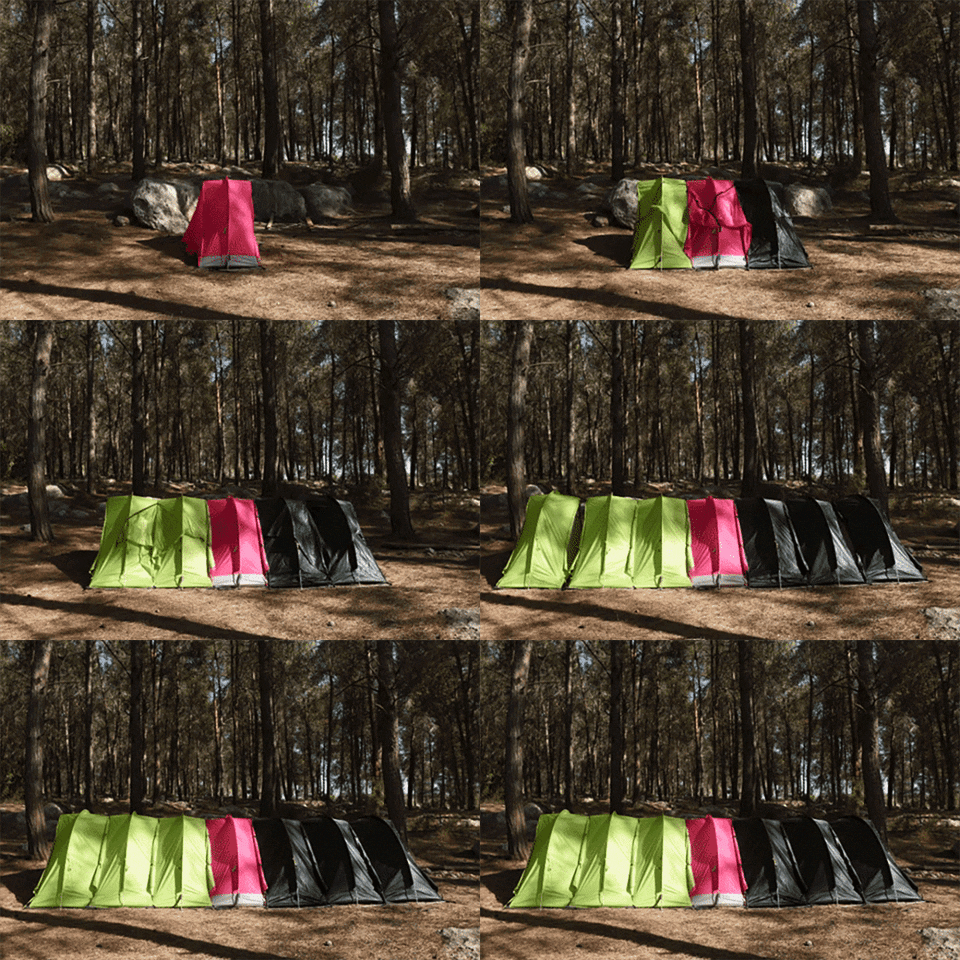
 Thanks to RhinoWolf’s modular design, you can connect your RhinoWolf to your friend’s RhinoWolf, to her spouse’s Rhinowolf, to that guy’s friend’s RhinoWolf to… You get the picture. 

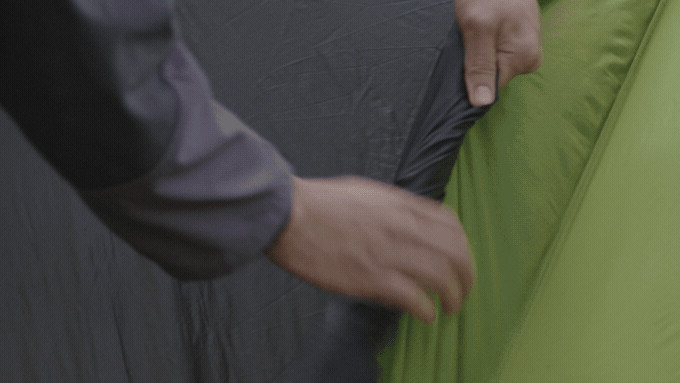
No need to worry about rain, sunlight or wind leaking through because we’ve added the innovative “roll and lock” feature. Simply zip the tents together, roll the extra fabric and use the loops to lock your RhinoWolfs together. 

1. Zip the tents together and tightly roll down the excess fabric

2. Stick the peg through the loop

3. Lock it in

 We’ll contact you after the campaign is over for your color choice. Choose between pink, light green and dark green.  

RhinoWolf 2.0 was created with the toughest and most durable of climate protective materials. And with even more integrative and customizable features, this SuperTent is totally full-spectrum. 

Volunteer Tourists and the SDGs in Bali

Agents of Development or Redundant Holiday-Makers?

  • Claudia DolezalUniversity of Westminster, UK
  • Dominyka MiezelyteUniversity of Westminster, UK

Volunteer tourism is an ever-growing phenomenon and a multi-million-pounds industry, particularly in developing countries. Despite the manifold criticism for its neo-colonial nature – self-centered volunteers who romanticize the Global South as ‘poor but happy’ and short-term projects that create dependency rather than local capacity – it can, at the same time, be seen as a key engine for socio-economic development. The privatization and neo-liberalization of development has led to governments and development agencies increasingly delegating responsibilities to the volunteer, who takes on the role of an agent of development – continuing in times of the SDGs-driven Agenda 2030. However, little research to date tries to understand volunteers’ perceived developmental impact to link it with the UN Sustainable Development Goals (SDGs) that characterize the current development agenda. This paper, therefore, offers one of the first attempts to bridge the gap between volunteers’ experiences, their felt impact, and the SDGs by drawing on ethno- graphic data gathered in a volunteer project teaching English in the North of Bali. Its aim is to start a discussion as to whether and under which conditions volunteer tourism can be a viable instrument in line with Agenda 2030. Findings identify a range of obstacles for volunteer tourism in the Balinese context to be in line with the SDGs. These include a lack of needed skills and feeling of uselessness on volunteers’ part, expectations that are set too high through marketing, a lack of coordination, and the fact that projects don’t focus on the marginalized. However, there are also indications that volunteer tourism holds strong potential to put the SDGs’ universality into practice, and hence dissolve some of the bina- ries between North and South, and rich and poor – thereby creating true reciprocal partnerships, rather than encounters that are characterized by neo-colonial Othering.

DOI: https://doi.org/10.14764/10.ASEAS-0028

Keywords: Bali, SDGs, Sustainable Development, Volunteer Tourism, Voluntourism

Can virtual reality help tourism destinations recover from COVID-19?

By Dr. Natasha Moorhouse – Manchester Metropolitan University | July 2, 2020
The current pandemic has brought forth unprecedented and unpredictable change that presents new challenges for the tourism industry. There remains uncertainty not only as to how transport and accommodation services are able to implement strategies to facilitate social distancing measures, but also around how the regulations and tests at international borders will operate.

As the tourism industry works hard to recover from the impact of the current pandemic, tourism marketers are responsible for implementing the right marketing strategy to ensure their destination remains competitive.

Generating destination appeal in new and existing markets is essential in determining a city, resort or region’s global competitive position and its overall economic and developmental success.

As trips become safer, people may need extra encouragement to travel again, and one promising way to do this is through novel immersive technology experiences.

Enter the age of VR tourism experiences
Digital technologies influence change in consumer behavior including the way people search for, access and experience tourism-related content. Alongside rapid technological advancements, mass media attention has brought virtual reality experiences into focus, leading to predictions that this technology will significantly influence the tourism sector.

Virtual reality allows for the simulation of places, and over the past few years, industry usage has rapidly increased in destinations around the world. Virtual tours allow for a unique and immersive way to explore destinations and hotels, while virtual walk-throughs of heritage attractions permit people to explore inaccessible sites as well as cultural preservation. This allows tourism marketers to communicate their intangible tourism experiences to potential travelers, which influences the customer’s decision on whether to visit the destination or attraction in real life.

What do tourism marketers think of using VR?
After speaking with industry experts at several tourism marketing organizations in the northwest of England, I was able to get a better idea of their view on using virtual reality for marketing destinations. One of the key drivers that would encourage them to adopt immersive technology would be its ability to attract key markets from around the world.

Virtual reality has the potential to generate awareness of the destination’s tourist offering in a novel, immersive way, and its use could set a destination apart from the increasing competition in the global market, if used strategically. As one digital executive stated: “VR has the potential to attract international visitors and make them aware of the city product.”

Keeping ahead of competition is vital for tourism destinations, and the ability to gain an edge over rivals is considered a key driver for implementation. Yet the challenge is to rapidly integrate this technology with existing communication channels such as a website and social media.
As they mainly operate online, tourism marketing organizations have to find a way to deliver immersive experiences and therefore rely on the mainstream adoption of virtual reality hardware and software – delivering content compatible with equipment the customer already has – so they question its ease of usability for their diverse audience.

Despite that, tourism marketers view this technology as useful in the future once the barriers have been overcome, which is promising, as developers and designers are working tirelessly to bring advanced virtual reality systems to the forefront of consumer adoption.

Streamlined, user-friendly virtual reality headsets with sophisticated software capabilities such as superior graphics, head-tracking and eye-tracking are already under development and could be the lead to increasing adoption for usage at home.

In line with this, the deployment of 5G throughout the United Kingdom could accelerate the uptake of virtual reality content as it increases bandwidth availability and therefore the ability for VR headset owners to stream high-quality, smooth-running VR games and videos.

Just like the smartphone and smartwatch, immersive technology will soon become the norm, and destination marketers have to be ready to leverage it to their advantage. Most people will have experienced, or at least be aware of, virtual reality and its capabilities in the not-too-distant future, indicating that this technology will become mainstream among the tourist community.

Although there are several barriers preventing some tourism marketers turning to virtual-reality advertising at the moment, holidaymakers should expect to see an increase in the coming years in the use of it as a marketing tool.

Funding remains a challenge for tourism marketing organizations. Although technology development and deployment and upskilling the workforce are just some of the costs to consider, “customer demand would motivate funding for technology from private investors,” according to senior management.

Off of the back of the pandemic, increasing demand could be on the horizon as people decide to travel less frequently, if at all, and virtual reality offers a risk-free way to escape to another destination. For those with underlying health conditions, this might seem like the safest option. Not only that, but as tourists become more climate conscious, virtual reality will become even more important to the industry as a method of experiencing somewhere new without the carbon footprint, pollution and overcrowding.

VR and the future of the tourism industry
In the aftermath of the coronavirus outbreak, virtual reality is one immersive technology that could help to accelerate the travel and tourism industry’s comeback. A rapid return is essential not only for people to begin enjoying travel again, but also for the millions of jobs and businesses worldwide that have suffered tremendous impact.

However, as with other sectors, the tourism industry will take on a “new normal,” where virtual reality will likely play two pivotal roles: a powerful destination marketing tool to entice people to travel again, and a temporary escape for those who are not yet willing to travel.

As people begin to settle into this new way of life, virtual reality hangouts will likely increase, and what better way to travel to virtual destinations than in a completely immersive virtual world than with your friends and family? Aside from providing entertainment and temporary escapism, this also increases social interaction at a time where it is scarce in reality.

Virtual reality certainly offers a solution to overcoming several challenges the industry is facing at the moment. Researchers are continuously investigating how this technology can provide real value and purpose to the tourism industry with an aim to promote strategic investment and management.

About the author…
Dr. Natasha Moorhouse is a research associate at Manchester Metropolitan University.

Source: https://www.phocuswire.com/can-virtual-reality-help-tourism-destinations-recover-covid-19

#virtualreality #virtualtourism #etourism #tourismrecovery #newnormal


Fleksibilitas adalah Mutlak

Kita sudah tidak bisa mempertahankan pola pikir lama, cara kerja lama dan perencanaan destinasi pariwisata model lama. Ini jaman digitalisasi, semakin banyak pekerjaan yang bisa dilakukan dari jauh dan dikerjakan dari rumah. Contohnya di Amerika dan di Jepang, yang sudah memperkenalkan sistem bekerja jarak jauh yang bisa dilaksanakan di mana pun bekerja berada, asalkan sudah terhubung dengan jaringan internet. Jadi, kenapa tidak dilakukan di Indonesia, salah satu negara kepulauan terbesar lebih dari 17 ribu pulau, bukan tidak mungkin berbagai ide dan karya pengembangan destinasi wisata dapat dengan lebih efisien di hasilkan oleh masyarakat kita dari segara penjuru tanpa harus jauh-jauh datang bekerja di destinasi-destinasi yang baru dibangun. Di samping itu, fleksibilitas sejalan dengan semangat kita untuk terus berinovasi, karena waktu dan tempat bekerja yang fleksibel akan membantu meningkatkan efisiensi dan produktivitas kita. Artikel berikut semoga dapat menginspirasi kita semua mengenai bagaimana mewujudkan tujuan baik tersebut. Baca: https://www.flexjobs.com/employer-blog/japan-encouraging-telework-days-help-traffic-increase-productivity/

Destinasi Baru, Strategi Baru

Mengubah yang selama ini adalah potensi, sudah saatnya kita menjadikannya sebagai destinasi pariwisata unggulan.